Love this? Save it for later!
Share the inspiration with your friends
“I wasn’t expecting much when I sat down with Emma, my neighbor’s ten-year-old, for lunch that spring afternoon. She was famously picky, especially when it came to textures and flavors—sensory issues that made mealtime a battleground. But there she was, happily nibbling away on a plate with just one item on it. No sauces mingling, no mixed textures, just a simple one food at a time plate. Honestly, it felt like a small miracle.
You know that feeling when you’ve tried everything—multiple dishes, fancy recipes, coaxing, and coaxing again—only to have your kid push the plate away? That’s exactly where I was with little Emma. The breakthrough came not from complexity but simplicity. The plate she enjoyed was straightforward, focusing on one food at a time to avoid overwhelming her senses. It reminded me that sometimes the best recipe isn’t about layering flavors but about respecting how someone experiences food.
That cracked white ceramic plate, with barely a crumb left, stuck with me. It wasn’t just about feeding a picky eater; it was about honoring their sensory world. Since then, I’ve developed this easy guide for a simple one food at a time plate designed especially for kids and adults with sensory sensitivities. It’s not flashy, but it works—and that’s what matters. If you’ve ever felt frustrated at mealtime, maybe this approach will feel like a breath of fresh air, too.”
Why You’ll Love This Recipe
This simple one food at a time plate is a game changer, especially if you’re dealing with sensory issues or picky eating. I’ve tested this approach countless times with kids and adults who struggle with food textures and mixed flavors, and it truly makes mealtime less stressful.
- Quick & Easy: You can put together a plate in under 10 minutes—perfect for busy days or last-minute meals.
- Simple Ingredients: No need for fancy or hard-to-find items; just basics you probably already have.
- Perfect for Sensitive Eaters: Designed specifically to respect sensory preferences and reduce overwhelm.
- Crowd-Pleaser: Works well for both children and adults who prefer minimalism on their plates.
- Unbelievably Practical: The focus on one food at a time helps build comfort and positive mealtime experiences.
What sets this plate apart is its respect for sensory boundaries. Instead of forcing a mix of foods that can be overwhelming, this method supports gradual exploration. For example, serving a perfectly cooked carrot stick alone can build trust and confidence. No flashy sauces, no competing smells—just one food, presented thoughtfully. It’s comfort food in its purest form, designed to make every bite approachable.
What Ingredients You Will Need
This simple one food at a time plate recipe uses straightforward, wholesome ingredients to make mealtime calming and approachable. The goal is to keep things uncomplicated, using ingredients that are easy to prepare and gentle on sensitive palates.
- Fresh Vegetables: Baby carrots (raw or steamed), cucumber slices, snap peas, or bell pepper strips (choose crunchy, mild flavors).
- Protein Options: Sliced turkey breast, shredded chicken, hard-boiled eggs, or plain roasted chickpeas (for a crunchy alternative).
- Grains & Starches: Small portions of plain rice, quinoa, or a single piece of plain bread or crackers (avoid mixed flavors).
- Dairy or Dairy Alternatives: Cubes of mild cheese like mozzarella or cheddar, or dairy-free options such as almond-based cheese (if tolerated).
- Fruit Choices: Apple slices, banana chunks, or seedless grapes (cut to appropriate size for safety).
When selecting ingredients, the key is simplicity and predictability. I usually recommend trying smaller portions first to avoid overwhelming the eater. Brands like Horizon Organic for cheese or Applegate for deli meats are reliable choices I’ve found to have consistent quality. If you’re working with seasonal ingredients, fresh cucumber in summer or steamed carrots in winter can make a nice variation. Feel free to swap any dairy for plant-based options if allergies are a concern—this plate is flexible.
Equipment Needed
To make a simple one food at a time plate, you don’t need much. A basic setup works best to keep things calm and straightforward.
- Small Plate or Sectioned Plate: A plate with divided sections helps keep foods separate—great for sensory-sensitive eaters.
- Child-Safe Knife or Food Slicer: For cutting fruits and vegetables into manageable pieces.
- Steamer Basket or Microwave-Safe Bowl: If you want to lightly steam veggies like carrots or snap peas.
- Measuring Cups or Spoons: Optional, but helpful for serving consistent portion sizes.
I personally like using a simple white melamine plate with deep sections because it’s sturdy and dishwasher-safe. If you don’t have a divided plate, small ramekins on a regular plate work just as well. A sharp, easy-to-handle knife makes slicing safer and neater, which helps avoid accidents and kitchen messes. Honestly, the less clutter, the better—keep it simple so the focus stays on the food, not the tools.
Preparation Method
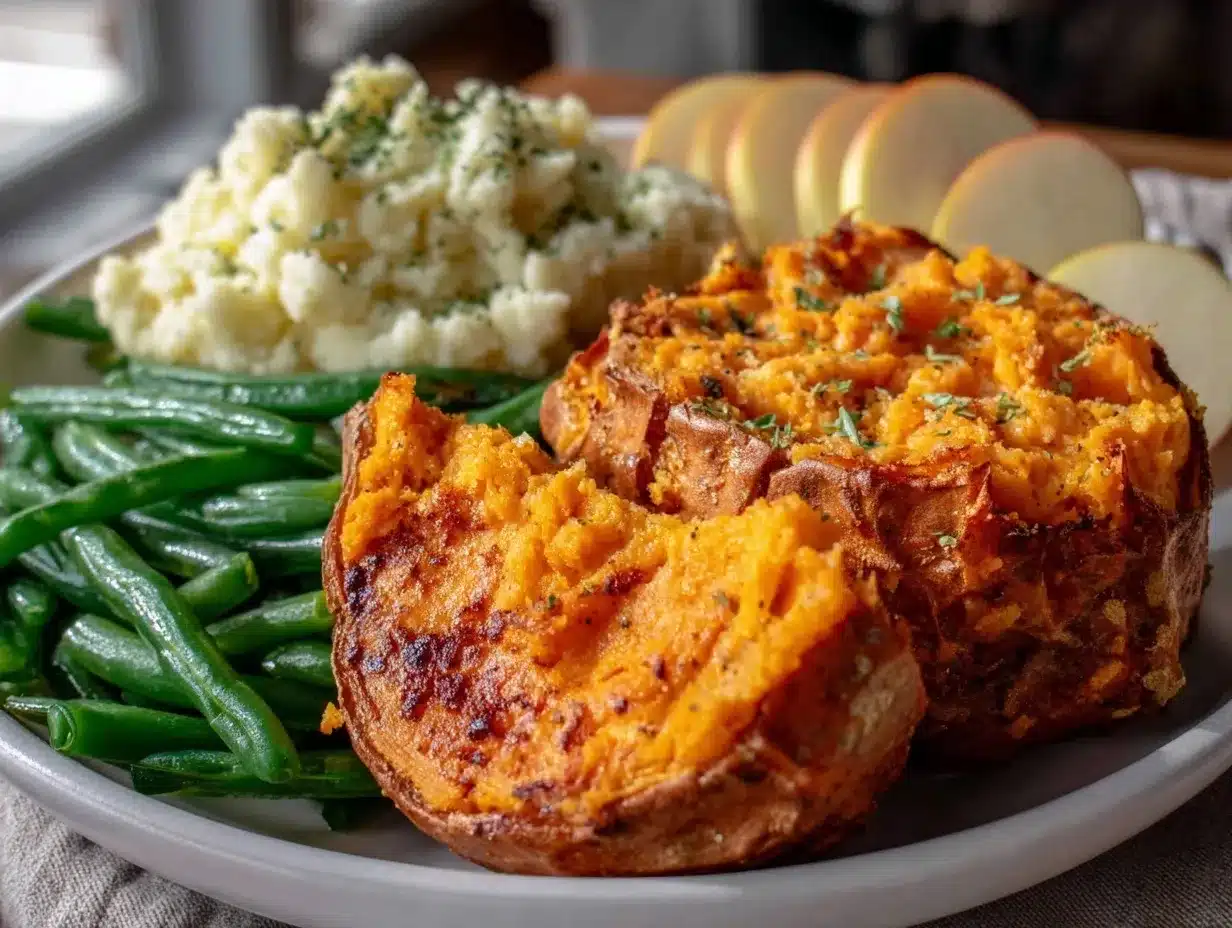
- Choose Your Food Items: Pick one or two simple foods from the ingredient list that are familiar or mildly adventurous, depending on the eater’s comfort level.
- Prepare Foods Separately: Wash, peel, and cut vegetables or fruits into bite-sized pieces. For proteins, slice or shred as needed. If steaming, do so for 3-5 minutes until just tender but not mushy.
- Arrange on Plate: Place each food item in its own section to avoid mixing smells or textures. Keep portion sizes small—about ¼ to ½ cup per item.
- Serve at Room Temperature or Slightly Warm: For some, hot foods can be overwhelming. Let steamed veggies cool slightly before serving.
- Encourage Exploration: Invite the eater to try one food at a time, without pressure to mix or combine.
- Observe and Adjust: Take note of which items are accepted or declined and adjust future plates accordingly.
For example, the other day I steamed some baby carrots for a few minutes—just enough to soften them without losing crunch. I arranged them neatly on one section of the plate, and on another, I placed some plain turkey slices. Emma took her time, gently picking up the carrots first, then moving to the turkey. No sauces, no distractions. The simplicity was key, and it made the whole experience calm and inviting.
Cooking Tips & Techniques
When helping someone with sensory issues enjoy a meal, it’s important to keep preparation mindful and straightforward.
- Stick to Simple Textures: Avoid mixing crunchy and mushy textures on the same plate. This can be overwhelming for sensitive eaters.
- Use Mild Flavors: Skip strong spices or sauces initially. Mild, familiar tastes are more likely to be accepted.
- Portion Control Matters: Small portions reduce pressure and make foods less intimidating.
- Prep Ahead: Preparing foods in advance can ease stress during mealtime. Store items separately to preserve their texture.
- Patience is Key: It’s okay if the eater only tries a small bite or even just touches the food at first. Celebrate those small steps.
One mistake I learned the hard way was trying to combine too many foods at once—thinking variety would inspire interest. Instead, it caused overwhelm and refusal. Keeping it simple, one food at a time, was a lesson in patience but totally worth it. Also, using visual cues like separating foods clearly on the plate can reduce anxiety and confusion. Multitasking during mealtime (like preparing the next plate while they eat) helps keep things flowing smoothly.
Variations & Adaptations
This simple one food at a time plate is flexible and can be adapted to fit various dietary needs and preferences.
- Gluten-Free Version: Use quinoa or rice instead of bread or crackers.
- Vegan Adaptation: Swap animal proteins for roasted chickpeas or tofu cubes. Use dairy-free cheese if preferred.
- Seasonal Twist: In fall and winter, try roasted squash or steamed green beans. Summer calls for fresh cucumber or juicy watermelon slices.
- Flavor Boost Options: For those ready to try mild seasonings, a light sprinkle of cinnamon on fruit or a tiny dash of salt on veggies can be introduced gradually.
- Personal Variation: One of my friends adds a small bowl of plain yogurt on the side for dipping, which her daughter loves. It’s a gentle way to invite a new texture without mixing foods.
Serving & Storage Suggestions
Serve the plate at room temperature or slightly warm, based on the eater’s preference. Presentation matters—neatly arranged foods on a divided plate can reduce sensory overwhelm and make the meal feel approachable.
This plate pairs well with simple beverages like water or mild herbal teas. For a complete meal, you might add a side of sliced apples or a small handful of unsalted nuts if tolerated.
Store leftovers separately in airtight containers in the refrigerator, ideally consumed within 1-2 days to maintain freshness and texture. Reheat steamed vegetables gently in the microwave for 20-30 seconds, checking frequently to avoid overheating.
Flavors tend to stay true on these plates since foods aren’t mixed. Over time, small adjustments can be made based on what the eater enjoys most, allowing flavors and textures to become more familiar and comforting.
Nutritional Information & Benefits
This simple plate balances protein, fiber, and healthy carbs, making it nutritious without being overwhelming. For example, baby carrots provide beta-carotene and fiber, while turkey offers lean protein essential for growth and repair.
The focus on single foods helps avoid cross-contamination for sensitive eaters and allows for easier identification of potential allergens. Many of the ingredients are naturally gluten-free and low in added sugars, which supports general wellbeing.
From a personal wellness perspective, this approach encourages mindful eating by respecting sensory boundaries and promoting positive mealtime experiences—a crucial but often overlooked part of nutrition.
Conclusion
Creating a simple one food at a time plate might seem basic, but it’s surprisingly powerful, especially for those with sensory issues or picky eating habits. It takes the pressure off mealtime and offers a calm, respectful way to introduce new foods or stick to favorites.
I keep coming back to this method because it honors individual needs without complicating the process. Honestly, it’s these small but meaningful changes that can transform how someone feels about eating.
If you try this recipe, I’d love to hear how it works for you. Feel free to share your experiences or any creative twists you come up with! Remember, every plate is a step toward a happier, more relaxed mealtime.
Frequently Asked Questions
What if my picky eater refuses to try any food on the plate?
Start with very small portions and don’t pressure them. Sometimes just touching or smelling the food is progress. Patience is key.
Can I mix two foods on the plate if my child tolerates it?
It’s best to keep foods separate initially, but if your child is comfortable, slowly introducing mild combinations can help build acceptance.
How do I know which foods to include on the plate?
Start with familiar, mild flavors and textures your eater already likes, then gradually introduce new items one at a time.
Is this method suitable for adults with sensory food issues?
Absolutely. This approach respects sensory sensitivities at any age and can make mealtimes more enjoyable for adults too.
Can I prepare these plates in advance?
Yes, but keep foods separate and store them in airtight containers. Reheat gently before serving to preserve texture and flavor.
Pin This Recipe!

Simple One Food at a Time Plate for Sensory Issues Easy Guide for Picky Eaters

A straightforward and calming approach to mealtime designed for kids and adults with sensory sensitivities, focusing on serving one food at a time to reduce overwhelm and build positive eating experiences.
- Prep Time: 10 minutes
- Cook Time: 5 minutes
- Total Time: 15 minutes
- Yield: 1 serving
- Category: Main Course
- Cuisine: American
Ingredients
- Fresh vegetables: baby carrots (raw or steamed), cucumber slices, snap peas, bell pepper strips
- Protein options: sliced turkey breast, shredded chicken, hard-boiled eggs, plain roasted chickpeas
- Grains & starches: small portions of plain rice, quinoa, or a single piece of plain bread or crackers
- Dairy or dairy alternatives: cubes of mild cheese like mozzarella or cheddar, or almond-based cheese
- Fruit choices: apple slices, banana chunks, seedless grapes
Instructions
- Choose one or two simple foods from the ingredient list that are familiar or mildly adventurous, depending on the eater’s comfort level.
- Wash, peel, and cut vegetables or fruits into bite-sized pieces. For proteins, slice or shred as needed. If steaming, do so for 3-5 minutes until just tender but not mushy.
- Place each food item in its own section on a divided plate to avoid mixing smells or textures. Keep portion sizes small—about ¼ to ½ cup per item.
- Serve at room temperature or slightly warm. Let steamed veggies cool slightly before serving.
- Encourage the eater to try one food at a time without pressure to mix or combine.
- Observe which items are accepted or declined and adjust future plates accordingly.
Notes
Keep foods separate to avoid overwhelming sensory experiences. Use mild flavors and simple textures. Small portions reduce pressure. Prepare foods ahead and store separately to preserve texture. Patience is key; allow small steps toward acceptance. Visual separation on the plate helps reduce anxiety.
Nutrition
- Serving Size: One small divided pl
- Calories: 150250
- Sugar: 5
- Sodium: 200
- Fat: 5
- Saturated Fat: 1.5
- Carbohydrates: 20
- Fiber: 3
- Protein: 10
Keywords: sensory issues, picky eaters, simple plate, one food at a time, sensory sensitivities, easy meal, kid-friendly, adult sensory eating