Love this? Save it for later!
Share the inspiration with your friends
A friend of mine had sworn off jarred pasta sauce for years. Years. She was militant about it, actually. Wouldn’t touch the stuff. Then I brought over a container of this slow-roasted cherry tomato sauce one Tuesday night, just as a side thing to go with the bread I was already carrying. I found her standing over the kitchen sink, eating it straight from the container with a spoon she’d grabbed from the drying rack. She didn’t even bother with the pasta I’d brought. That was the moment I knew this recipe wasn’t just good. It was the kind of good that makes a person break a long-standing rule without even thinking about it.
This sauce started as a way to use up a massive box of cherry tomatoes from a neighbor’s overzealous garden haul. I had way too many and not enough time. So I tossed them in a pan with some oil and garlic, set the oven low, and basically forgot about them for a couple of hours. The result was so much more than I expected. The tomatoes didn’t just soften. They collapsed into this sweet, jammy, almost caramelized mess that tasted like summer had been concentrated into a single bite. I honestly didn’t plan on it becoming a staple. But now I find myself buying cherry tomatoes on purpose, just so I have an excuse to make it again.
You know that feeling when a recipe just works without you having to do much? That’s this one. It’s forgiving. It’s patient. And it rewards you with a sauce that makes a simple bowl of pasta feel like a restaurant meal. Let me tell you, there’s something deeply satisfying about pulling a pan of blistered, fragrant tomatoes out of the oven and knowing you barely lifted a finger. It’s the kind of cooking that feels like cheating, but tastes like you spent all day on it. And honestly, that’s my favorite kind of cooking.
Why You’ll Love This Recipe
This slow-roasted cherry tomato sauce is the kind of recipe that makes you wonder why you ever bought the stuff in a jar. It’s incredibly simple, but the flavor is anything but basic. I’ve tested this method more times than I can count, and it never fails to deliver a rich, complex sauce that feels special without requiring a ton of effort.
- Simple Ingredients, Huge Flavor: You only need a handful of pantry staples and fresh cherry tomatoes. No cream, no complicated spice blends. The oven does all the heavy lifting, concentrating the natural sweetness of the tomatoes into something almost candy-like.
- Set It and Forget It: This is the ultimate hands-off recipe. Toss everything in a pan, pop it in the oven, and walk away. You can prep the rest of your dinner, read a book, or just enjoy the amazing smell filling your kitchen.
- Perfect for Busy Weeknights: While the tomatoes roast, you can boil your pasta and maybe throw together a quick salad. Dinner comes together in the time it takes to cook the pasta, with almost zero active cooking on your part.
- Crowd-Pleaser: I’ve served this to picky kids, skeptical in-laws, and foodie friends. Every single person has asked for the recipe. It’s one of those universal hits that appeals to everyone.
- Incredibly Versatile: Use it on pasta, spread it on crusty bread, spoon it over grilled chicken or fish, or use it as a base for a white pizza. This sauce is a workhorse in the kitchen.
What makes this version different from other tomato sauces is the slow roasting. It’s not just about cooking the tomatoes. It’s about transforming them. The low heat draws out moisture and concentrates the sugars, creating a depth of flavor you simply can’t get from a quick stovetop simmer. The tomatoes burst and caramelize, and the garlic roasts to a sweet, mellow creaminess. It’s a technique that turns a humble ingredient into something truly special. This isn’t just another tomato sauce. It’s a revelation in a pan.
This recipe is the kind that makes you close your eyes after the first bite. It’s comfort food at its finest, but it feels lighter and brighter than a heavy, long-simmered sauce. It’s perfect for a quiet weeknight dinner, but impressive enough to serve to guests without any stress. It’s the recipe that makes you look like a hero in the kitchen, even when you barely did a thing.
What Ingredients You Will Need
This recipe uses simple, wholesome ingredients to deliver bold flavor and satisfying texture without the fuss. Most of these are pantry staples, and the star ingredient is easy to find year-round.
- Cherry tomatoes: 2 pounds (about 900g). Look for firm, ripe tomatoes that are bright in color. I prefer using a mix of red and yellow cherry tomatoes for a slightly sweeter, more complex flavor. If you have a garden surplus, this is the perfect way to use them up.
- Garlic cloves: 6-8 cloves, peeled and left whole. Roasting whole garlic cloves mellows their sharpness and turns them into sweet, buttery nuggets that blend into the sauce beautifully. I recommend using fresh garlic, not the pre-peeled stuff, for the best flavor.
- Extra-virgin olive oil: 1/3 cup (80 ml). Use a good quality oil here, as it’s a major flavor component. The oil helps the tomatoes roast and carries the flavor of the garlic and herbs. I like using a fruity, medium-bodied oil from California or Italy.
- Fresh basil leaves: 1/2 cup (packed), plus more for garnish. Fresh basil adds a bright, peppery, anise-like flavor that complements the sweet tomatoes. If you don’t have fresh, you can use 1-2 teaspoons of dried basil, but fresh is really best here.
- Dried oregano: 1 teaspoon. Oregano adds a warm, slightly bitter, herbaceous note that grounds the sauce. I prefer Mediterranean oregano, but any variety will work.
- Red pepper flakes: 1/2 teaspoon (optional, for heat). This adds a gentle warmth without making the sauce spicy. Leave it out if you prefer a completely mild sauce, or add more if you like a kick.
- Salt and black pepper: To taste. Use kosher salt or sea salt for the best flavor. I start with about 1 teaspoon of salt and adjust at the end.
- Balsamic vinegar: 1 tablespoon (15 ml). This is my secret ingredient. A splash of balsamic vinegar at the end brightens the sauce and adds a subtle tangy sweetness that balances the richness of the roasted tomatoes.
- Pasta of your choice: 1 pound (450g). I love this sauce with short, chunky pasta like rigatoni, pappardelle, or orecchiette. The sauce clings to the ridges and crevices beautifully. But honestly, it’s good on any pasta shape.
Equipment Needed
You don’t need any fancy equipment for this recipe, which is part of its charm. Here’s what you’ll need:
- Baking sheet or roasting pan: A large, rimmed baking sheet is perfect. The rim is important to catch any juices that might spill. I prefer a half-sheet pan (18×13 inches) for even roasting.
- Large pot for pasta: You’ll need a pot big enough to boil your pasta. I use a 6-quart pot, but any large stockpot will work.
- Large skillet or sauté pan: This is for finishing the sauce with the pasta. A wide pan gives the sauce room to coat the pasta evenly.
- Wooden spoon or spatula: For stirring and smashing the tomatoes. A wooden spoon is gentle on your pans and works great.
- Chef’s knife and cutting board: For mincing garlic and chopping basil, if needed.
- Mixing bowl: For tossing the tomatoes with oil and seasonings before roasting.
If you don’t have a baking sheet, you can use a 9×13 inch baking dish. Just keep in mind that the tomatoes will be more crowded and might take a little longer to roast. A sheet pan allows for more even heat distribution and better caramelization.
Preparation Method
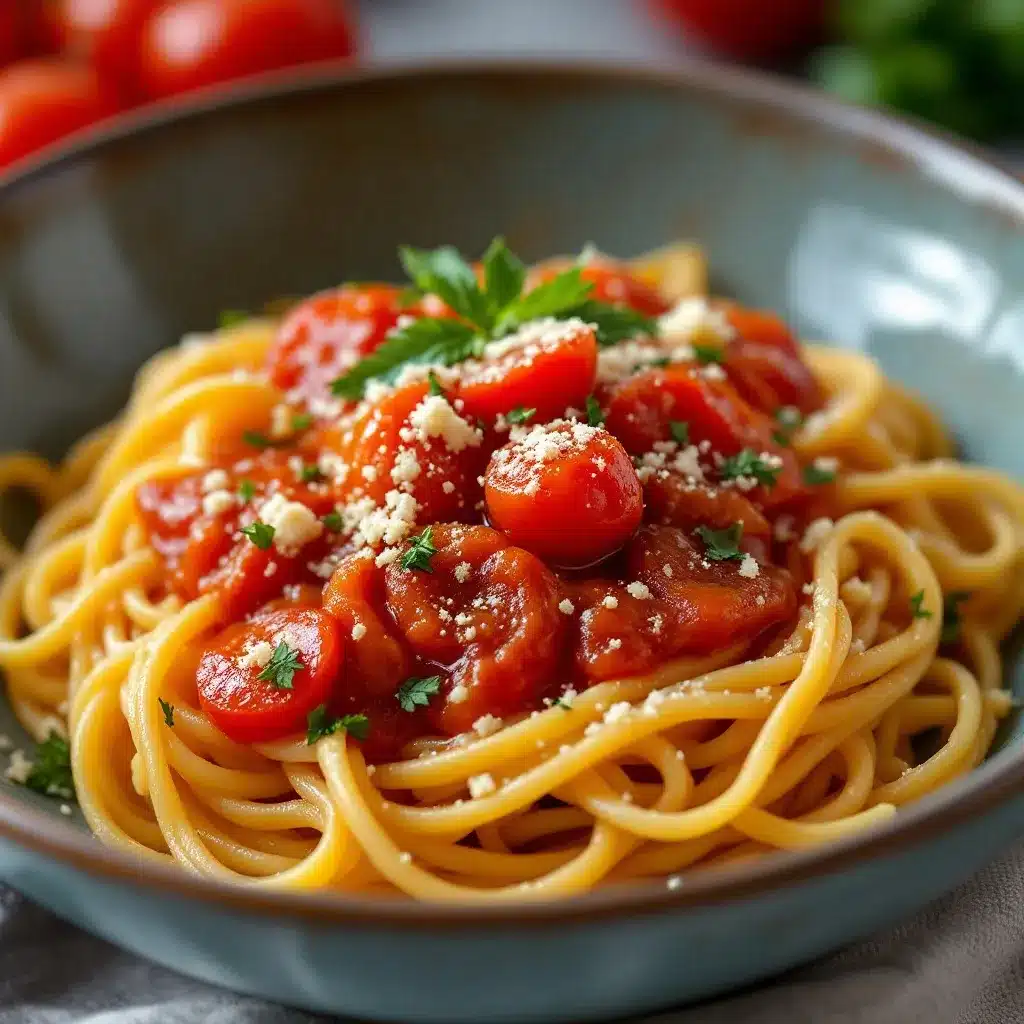
Making this sauce is almost embarrassingly easy. The oven does most of the work, and you just have to do a little bit of finishing at the end. Here’s how it goes.
- Preheat your oven to 300°F (150°C). Yes, that low. Slow and low is the key to getting that jammy, concentrated flavor. While the oven heats up, get your tomatoes ready.
- Prepare the tomatoes. In a large mixing bowl, combine the 2 pounds of cherry tomatoes, 6-8 peeled whole garlic cloves, 1/3 cup of olive oil, 1 teaspoon of dried oregano, 1/2 teaspoon of red pepper flakes (if using), and a generous pinch of salt and black pepper. Toss everything together until the tomatoes and garlic are well coated in the oil and seasonings.
- Spread them out. Pour the tomato mixture onto your rimmed baking sheet and spread it into a single layer. Make sure the tomatoes aren’t piled on top of each other. You want them to have room to breathe and caramelize, not steam. Tuck the garlic cloves in between the tomatoes so they roast evenly.
- Roast, undisturbed, for 1 hour. Place the baking sheet in the preheated oven and let it do its thing. Don’t stir or poke at the tomatoes. Just let them be. After about an hour, the tomatoes should be starting to blister and wrinkle, and the garlic should be soft. The kitchen will start smelling incredible about now.
- Roast for another 30-45 minutes. Continue roasting until the tomatoes are deeply wrinkled, blistered, and starting to collapse. The edges should be slightly caramelized and brown in spots. The garlic should be completely soft and golden. This slow roasting concentrates the flavor and sweetness beautifully. The total roasting time is about 1.5 to 1.75 hours.
- While the tomatoes roast, cook your pasta. About 15 minutes before the tomatoes are done, bring a large pot of generously salted water to a boil. Add your 1 pound of pasta and cook according to package directions until al dente. Reserve about 1 cup of the starchy pasta water before draining. This water is liquid gold for finishing the sauce.
- Finish the sauce. Remove the baking sheet from the oven. Let it cool for just a minute or two. Then, carefully transfer the roasted tomatoes and garlic to a large skillet or sauté pan. Use a wooden spoon or a potato masher to gently smash the tomatoes and garlic into a chunky sauce. Don’t puree it completely. You want some texture. Stir in the 1/2 cup of fresh basil leaves and 1 tablespoon of balsamic vinegar. The basil will wilt from the heat of the sauce.
- Combine with pasta. Add the drained pasta to the skillet with the sauce. Toss everything together over medium-low heat. Add splashes of the reserved pasta water, a little at a time, until the sauce coats the pasta nicely and has a silky consistency. You’ll likely need about 1/2 cup to 3/4 cup of pasta water. Taste and adjust the salt and pepper.
- Serve immediately. Divide the pasta among warm bowls. Garnish with extra fresh basil leaves and a drizzle of good olive oil. Grate some fresh Parmesan or Pecorino Romano cheese over the top if you like. I always do.
Cooking Tips & Techniques
Over the many times I’ve made this sauce, I’ve learned a few things that make it even better. Here are my best tips for success.
Don’t skip the low temperature. I know it’s tempting to crank the oven to 400°F and speed things up. Don’t do it. The magic of this sauce happens at 300°F. The low heat gently draws out the moisture from the tomatoes without burning the sugars. It takes time, but the result is a depth of flavor that’s absolutely worth the wait. I learned this the hard way when I tried to rush it once. The tomatoes browned on the outside but were still watery inside. Patience is key here.
Use a rimmed baking sheet. This seems like a small detail, but it matters. The tomatoes release a lot of juice as they roast, and a rimmed sheet catches all of that flavorful liquid. A flat sheet pan will let it run off into your oven and make a mess. Trust me on this one. I speak from experience of cleaning burnt tomato juice off the bottom of my oven.
Don’t overcrowd the pan. If you pile the tomatoes on top of each other, they’ll steam instead of roast. You want them in a single layer with a little space between them. If you’re doubling the recipe, use two baking sheets. The caramelization is what gives the sauce its deep, sweet flavor, and that only happens when the tomatoes have room to breathe.
Reserve plenty of pasta water. This is a cardinal rule of pasta making, but it’s especially important here. The starchy water helps the sauce cling to the pasta and creates a silky, emulsified sauce. Don’t forget to save it before you drain the pasta. I usually scoop out a full cup, just to be safe. You can always toss what you don’t use.
Taste as you go. The sweetness of cherry tomatoes can vary quite a bit depending on the season and where they’re from. Some batches might need a little more salt, or an extra splash of balsamic vinegar to brighten them up. Always taste the finished sauce before you toss it with the pasta and adjust the seasoning. Your palate is the best tool you have.
Make it ahead. This sauce actually gets better after a day or two in the fridge. The flavors meld and deepen. You can make the roasted tomatoes up to 3 days in advance and keep them in the fridge. When you’re ready to eat, just reheat them in a skillet, smash them up, and toss with freshly cooked pasta. It’s a great time-saving strategy for busy weeks.
Variations & Adaptations
This recipe is incredibly flexible. Here are some of my favorite ways to change it up.
Herb Variations: While basil is classic, you can experiment with other herbs. Try adding a few sprigs of fresh thyme or rosemary to the baking sheet before roasting. The herbs will infuse the oil and tomatoes with their fragrance. Just remove the woody stems before smashing the sauce. I’ve also made this with fresh oregano and marjoram, and it was lovely.
Add Some Vegetables: Feel free to add other vegetables to the roasting pan. Halved shallots, sliced fennel, or bell pepper strips all roast beautifully alongside the tomatoes. They’ll caramelize and add another layer of flavor to the sauce. I sometimes add a handful of pitted olives or capers in the last 15 minutes of roasting for a briny, salty kick.
Make It Creamy: For a richer, creamier sauce, stir in 2-3 tablespoons of heavy cream or a dollop of mascarpone cheese at the end, after you’ve smashed the tomatoes. It turns the sauce into a luxurious, velvety pink sauce that’s absolutely divine. You can also use full-fat coconut milk for a dairy-free version.
Protein Boost: This sauce is fantastic with added protein. Toss in some cooked Italian sausage, shredded rotisserie chicken, or crispy pancetta when you combine the sauce with the pasta. For a vegetarian option, add a can of drained and rinsed chickpeas or white beans along with the pasta. They soak up the sauce beautifully.
Spicy Version: If you like heat, this is an easy adjustment. Increase the red pepper flakes to 1 teaspoon, or add a whole dried chili pepper to the roasting pan. You can also stir in some Calabrian chili paste at the end for a fiery, complex heat. I’ve done this on nights when I wanted something with a real punch, and it was fantastic.
Gluten-Free and Vegan: This sauce is naturally vegan as written. For a gluten-free meal, simply serve it over your favorite gluten-free pasta. I’ve used brown rice pasta and lentil pasta with great results. Just be sure to cook the pasta al dente and reserve plenty of the starchy cooking water, as gluten-free pasta can sometimes need a little extra help to create a silky sauce.
Serving & Storage Suggestions
This sauce is best served immediately, right after you’ve tossed it with the pasta. The texture is perfect, the basil is fresh, and everything is hot and fragrant. Serve it in warm bowls with a generous grating of Parmesan or Pecorino Romano cheese. A side of crusty bread for sopping up any leftover sauce is non-negotiable in my house. A simple green salad with a lemony vinaigrette is the perfect accompaniment to cut through the richness.
Storage: Leftover sauce (without the pasta) can be stored in an airtight container in the refrigerator for up to 5 days. The flavors will actually deepen and become even more complex. You can also freeze the sauce for up to 3 months. I like to freeze it in 1-cup portions in freezer-safe bags or containers. That way, I can pull out just what I need for a quick weeknight dinner.
Reheating: To reheat, thaw the sauce in the refrigerator overnight if frozen. Then, warm it gently in a skillet over low heat. You might need to add a splash of water or vegetable broth to loosen it up, as it will thicken as it sits. If you’re reheating it to serve with pasta, cook fresh pasta and toss it with the reheated sauce, adding a little pasta water to bring it back to the perfect consistency.
Flavor Development: One of the best things about this sauce is how the flavor develops over time. The day you make it, it’s bright and fresh. The next day, the flavors are more mellow and integrated. It’s one of those rare recipes that tastes even better as leftovers. I often make a double batch just so I can enjoy it throughout the week in different ways.
Nutritional Information & Benefits
This sauce is not only delicious but also packed with nutritional benefits. Here’s an approximate breakdown per serving (based on 4 servings, without pasta):
- Calories: Approximately 180-220
- Fat: 14-17g (mostly from healthy olive oil)
- Carbohydrates: 12-15g
- Fiber: 3-4g
- Protein: 2-3g
- Vitamin C: High (from the tomatoes)
- Vitamin A: High (from the tomatoes)
- Potassium: Good source
- Antioxidants: Rich in lycopene, especially from the cooked tomatoes
Cherry tomatoes are a fantastic source of lycopene, a powerful antioxidant that has been linked to reduced risk of heart disease and certain cancers. Cooking the tomatoes actually increases the bioavailability of lycopene, making this sauce even more nutritious. The olive oil provides healthy monounsaturated fats, which are good for heart health and help your body absorb the fat-soluble vitamins in the tomatoes. Garlic is known for its immune-boosting properties, and basil is rich in vitamin K and antioxidants. This sauce is naturally gluten-free, dairy-free, and vegan, making it a great option for many dietary needs. It’s a wholesome, feel-good meal that nourishes your body while delighting your taste buds.
Conclusion
This slow-roasted cherry tomato sauce is more than just a recipe. It’s a reminder that the best things in life are often the simplest. With just a handful of ingredients and a little bit of patience, you can transform humble cherry tomatoes into something truly spectacular. It’s the kind of sauce that makes a simple Tuesday night dinner feel like a special occasion. It’s forgiving, it’s flexible, and it never fails to impress.
I encourage you to make this recipe your own. Play with the herbs, add some heat, or toss in whatever vegetables you have on hand. The beauty of this sauce is that it’s a canvas for your creativity. And honestly, it’s hard to go wrong when you start with perfectly roasted, jammy tomatoes.
I’d love to hear how it turns out for you. Did you add your own twist? Serve it with something unexpected? Share your experience in the comments below. And if you loved it as much as I do, please share this recipe with a friend who needs a little more slow-roasted goodness in their life. Happy cooking!
Frequently Asked Questions
Can I use regular tomatoes instead of cherry tomatoes?
Yes, you can, but the results will be different. Cherry tomatoes have a higher sugar-to-water ratio, which makes them ideal for slow roasting. If you use larger tomatoes like Roma or vine-ripened, chop them into 1-inch pieces before roasting. You may also need to increase the roasting time by 15-20 minutes to allow the extra moisture to evaporate.
Do I have to peel the roasted garlic?
Not at all! When you roast the whole garlic cloves, they become so soft that the skins slip right off. After roasting, you can simply squeeze the soft garlic out of its skin and into the pan with the tomatoes. It’s incredibly easy and adds a sweet, mellow flavor to the sauce.
Can I make this sauce in a slow cooker?
Yes, you can adapt this for a slow cooker. Combine the tomatoes, garlic, oil, and seasonings in the slow cooker and cook on low for 4-6 hours or on high for 2-3 hours. The sauce will be more stewed than caramelized, as you won’t get the same browning. For a deeper flavor, you can spread the cooked tomatoes on a baking sheet and broil them for a few minutes before finishing the sauce.
Why did my sauce turn out watery?
This usually happens if the tomatoes were overcrowded on the baking sheet or if they weren’t roasted long enough. The tomatoes need space to release their moisture and for that moisture to evaporate. If your sauce is watery, simply return the roasted tomatoes to the oven for another 15-20 minutes, or simmer the finished sauce on the stovetop for a few minutes to reduce it.
Can I use dried basil instead of fresh?
You can, but fresh basil really makes a difference here. Its bright, peppery flavor is a perfect counterpoint to the sweet, rich tomatoes. If you only have dried basil, add 1-2 teaspoons to the tomatoes before roasting. The flavor won’t be as vibrant, but it will still be good. For the best results, try to find fresh basil if you can.
Pin This Recipe!
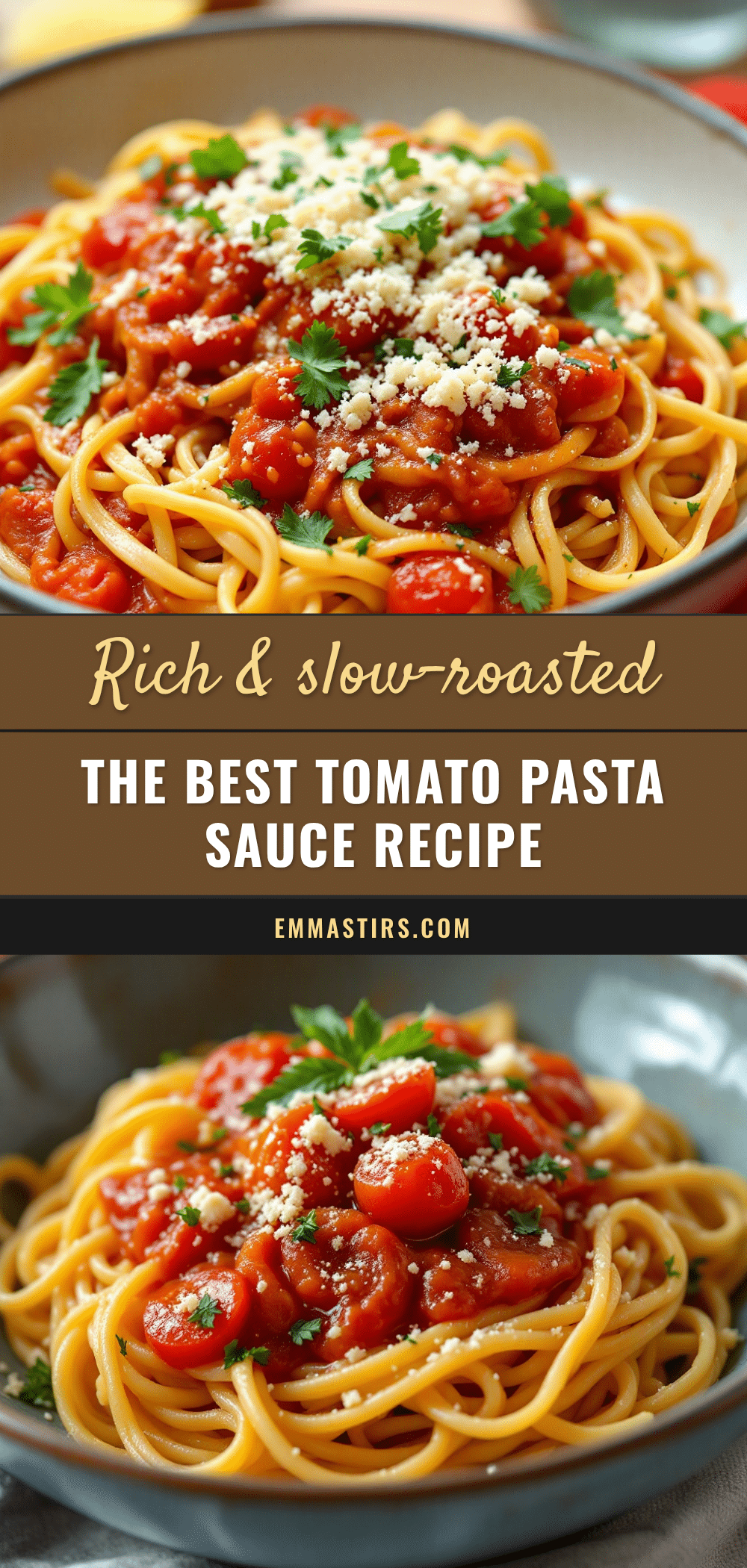
Best Slow-Roasted Cherry Tomato Sauce for Easy Pasta
This slow-roasted cherry tomato sauce transforms humble cherry tomatoes into a sweet, jammy, and deeply flavorful sauce with minimal effort. Perfect for busy weeknights, it’s a versatile crowd-pleaser that makes any pasta dish feel like a restaurant meal.
- Prep Time: 10 minutes
- Cook Time: 1 hour 45 minutes
- Total Time: 1 hour 55 minutes
- Yield: 4 servings 1x
- Category: Main Course
- Cuisine: Italian
Ingredients
- 2 pounds (about 900g) cherry tomatoes
- 6–8 garlic cloves, peeled and left whole
- 1/3 cup (80 ml) extra-virgin olive oil
- 1/2 cup (packed) fresh basil leaves, plus more for garnish
- 1 teaspoon dried oregano
- 1/2 teaspoon red pepper flakes (optional, for heat)
- Salt and black pepper to taste
- 1 tablespoon (15 ml) balsamic vinegar
- 1 pound (450g) pasta of your choice (e.g., rigatoni, pappardelle, orecchiette)
Instructions
- Preheat your oven to 300°F (150°C).
- In a large mixing bowl, combine the cherry tomatoes, garlic cloves, olive oil, dried oregano, red pepper flakes (if using), and a generous pinch of salt and black pepper. Toss until well coated.
- Spread the tomato mixture onto a rimmed baking sheet in a single layer, ensuring tomatoes are not piled on top of each other. Tuck garlic cloves between the tomatoes.
- Roast undisturbed for 1 hour. The tomatoes should start to blister and wrinkle, and the garlic should be soft.
- Continue roasting for another 30-45 minutes, until the tomatoes are deeply wrinkled, blistered, and starting to collapse, with slightly caramelized edges. The garlic should be completely soft and golden. Total roasting time is about 1.5 to 1.75 hours.
- About 15 minutes before the tomatoes are done, bring a large pot of generously salted water to a boil. Cook the pasta according to package directions until al dente. Reserve about 1 cup of starchy pasta water before draining.
- Remove the baking sheet from the oven and let cool for a minute or two. Transfer the roasted tomatoes and garlic to a large skillet or sauté pan. Use a wooden spoon or potato masher to gently smash them into a chunky sauce. Stir in the fresh basil leaves and balsamic vinegar.
- Add the drained pasta to the skillet with the sauce. Toss over medium-low heat, adding splashes of reserved pasta water (about 1/2 to 3/4 cup) until the sauce coats the pasta nicely and has a silky consistency. Adjust salt and pepper to taste.
- Serve immediately in warm bowls. Garnish with extra fresh basil leaves and a drizzle of good olive oil. Optionally, grate fresh Parmesan or Pecorino Romano cheese on top.
Notes
For best results, do not rush the roasting process; low and slow is key to achieving a jammy, concentrated flavor. Use a rimmed baking sheet to catch juices. Reserve plenty of pasta water to help emulsify the sauce. The sauce can be made ahead and stored in the refrigerator for up to 5 days or frozen for up to 3 months. For a creamier version, stir in 2-3 tablespoons of heavy cream or mascarpone at the end.
Nutrition
- Serving Size: 1 serving (about 1/4
- Calories: 200
- Sugar: 8
- Sodium: 300
- Fat: 15
- Saturated Fat: 2
- Carbohydrates: 14
- Fiber: 3
- Protein: 2
Keywords: slow-roasted cherry tomato sauce, easy pasta sauce, homemade tomato sauce, cherry tomato recipe, weeknight dinner, vegetarian pasta sauce